Ghana has taken an important step toward improving outcomes for children diagnosed with cancer with the validation of the Draft Childhood Cancer Treatment Guidelines, a nationally developed framework aimed at standardising diagnosis, referral, treatment, and supportive care across the health system.
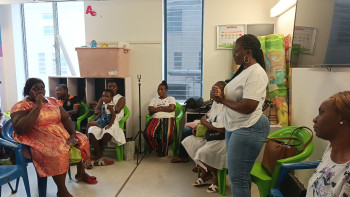
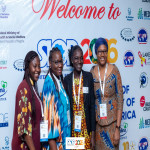
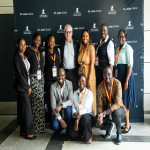
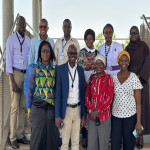
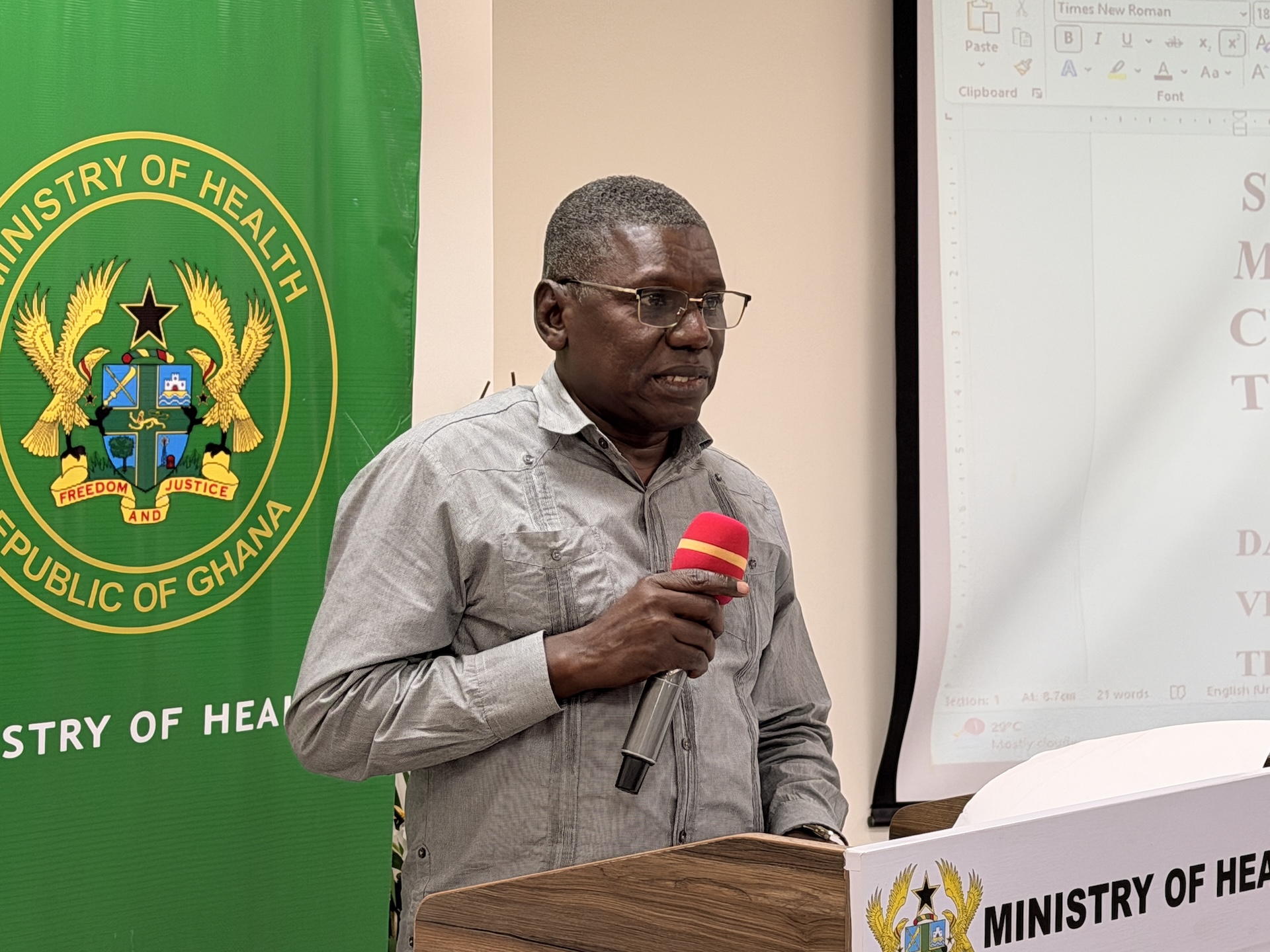
The stakeholder validation meeting, held at the Ministry of Health on 8 January 2026, brought together policymakers, clinicians, development partners, and civil society organisations to review the draft guidelines, align them with national realities, and prepare them for implementation. Cure Childhood Cancer Ghana participated as a key stakeholder, reflecting its role in paediatric oncology care, advocacy, and health systems strengthening.

The guidelines were developed by a national Technical Working Group coordinated by the Childhood Cancer Society of Ghana, with support from the World Health Organization, Ghana Health Service, World Child Cancer, and the Clinton Health Access Initiative. Developed through multidisciplinary collaboration, the guidelines are designed to promote evidence-based, context-appropriate, and consistent care nationwide.
Ghana has recorded an increasing number of childhood leukaemia cases in recent years, likely reflecting improved awareness and strengthened diagnostic capacity. Encouragingly, the rising diagnosis of retinoblastoma, a childhood cancer of the retina, also points to growing awareness, targeted research, and sustained investment in childhood cancer care.
Despite these gains, geography remains a significant barrier to survival. Ghana currently has nine recognised childhood cancer service points, including 7 primary Paediatric Oncology Units and two shared-care centres, serving the Northern, Bono East, Ashanti, Central, Greater Accra, and Volta Regions. These centres serve wide catchment areas, with many families still travelling long distances to access care. As such, service expansion must be accompanied by stronger referral systems and improved workforce capacity.
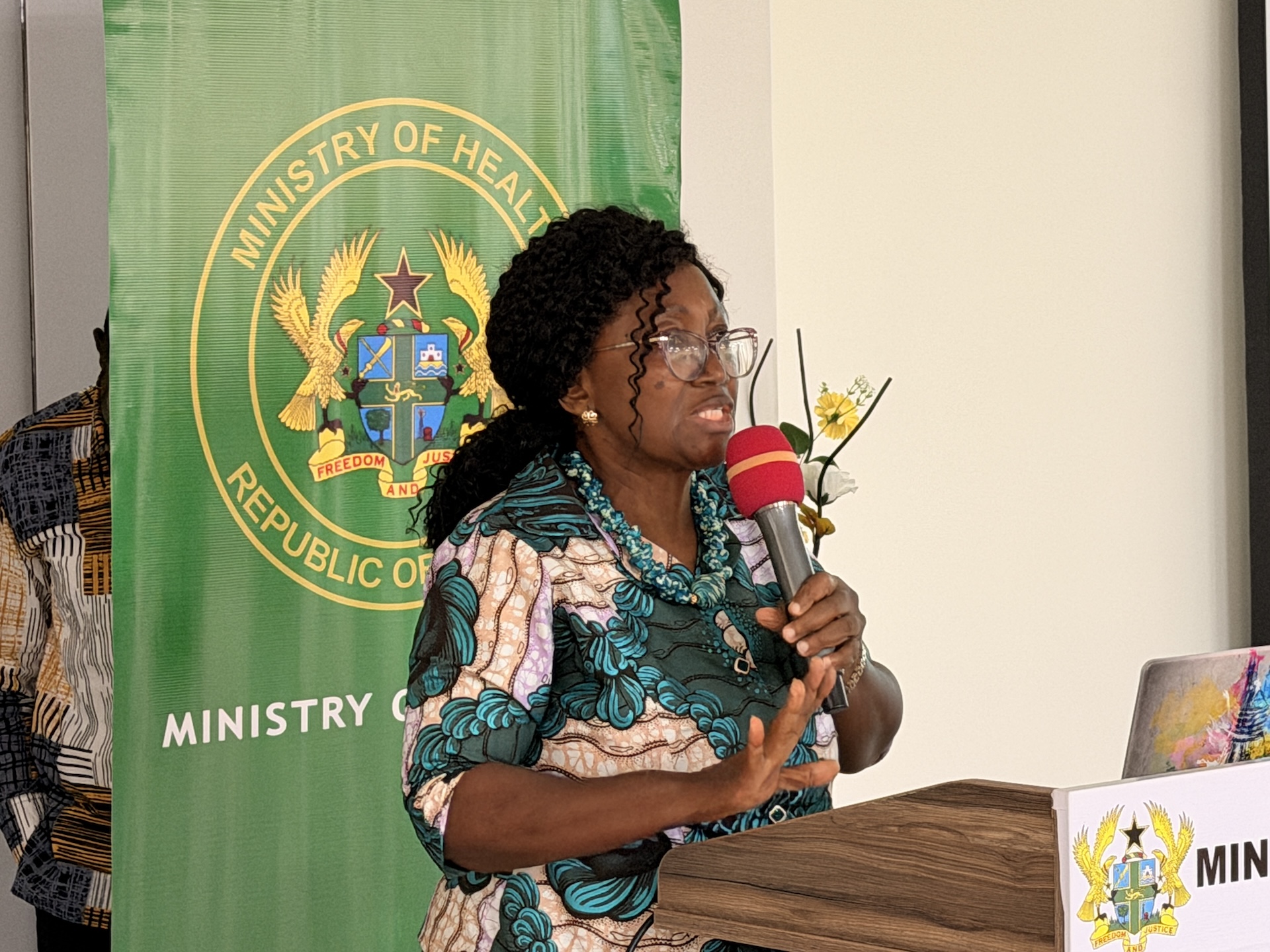
Human resource constraints remain a key challenge. Ghana currently has 12 paediatric oncologists, approximately 40 paediatric oncology nurses, and four paediatric oncology pharmacists, supported by a growing pipeline of specialists in training. Strengthening multidisciplinary teams, continuous professional development, and local collaboration were identified as critical to sustaining and scaling quality care.
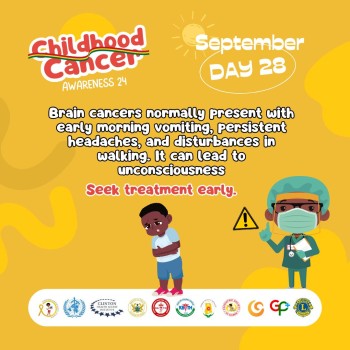
A central message from the meeting was the importance of supportive care and early referral. Primary health care facilities are often the first point of contact for children with cancer, making early suspicion, stabilisation, and prompt referral essential. Recent policy measures, including the waiver of referral pathway barriers for suspected paediatric cancer cases, are helping to reduce delays and improve access to treatment.
Chairing the meeting, Dr. Hafiz Adam, Technical Coordination Director at the Ministry of Health, reaffirmed government’s commitment to paediatric oncology. He emphasised the need for stronger data systems, routine monitoring of guideline implementation, and innovative approaches, including digital tools, to improve patient flow, coordination, and accountability.
Once finalised and implemented, the Childhood Cancer Treatment Guidelines have the potential to standardise care, reduce treatment delays, strengthen accountability, and significantly improve survival and quality of life for children with cancer across Ghana.